It's Okay to Feel Joy Again
Finding Joy Doesn't Mean I am all better, it just means I am creating space to breathe.
There are moments—quiet, unexpected ones—when joy finds me.
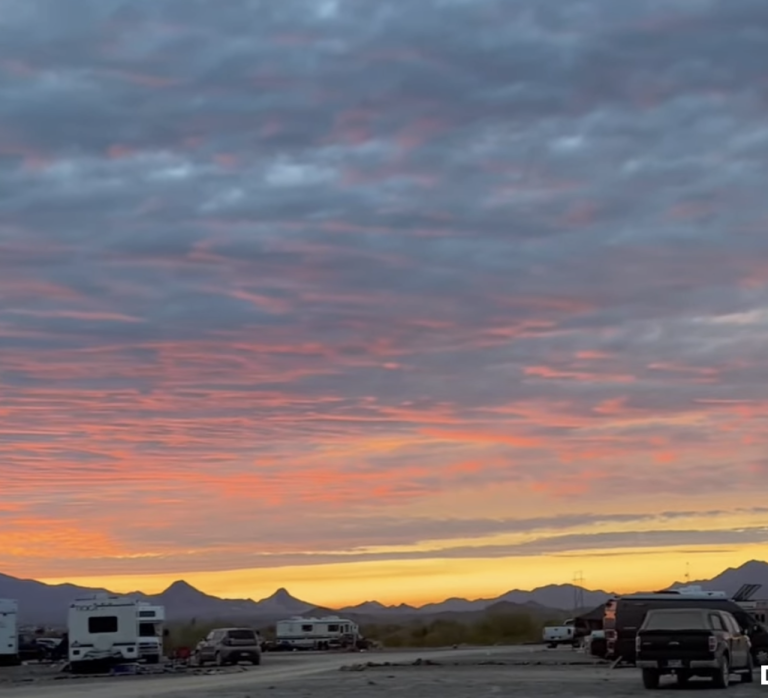
The sound of birds before sunrise. The soft light of Venus still visible in the early morning sky. A spoonful of something sweet after a long week. The way laughter rises in the middle of an ordinary conversation.
And when it happens, I let it.
But it wasn’t always that way.
Tragedies have struck.
I was actually struck by lightning, but that is a story for another day. Keep an eye out for that story to be shared soon.
More than once in my lifetime. I’ve walked through heartbreak, homelessness, loss, betrayal, and chaos—sometimes all at once. And in the middle of that, when I found myself smiling or enjoying something—whether it was a quiet street in Mexico, a plate of good food, or a burst of laughter—I felt a flicker of guilt.
As if joy somehow canceled out the pain.
As if feeling good meant I was forgetting everything bad that had happened.
But it doesn’t.
The pain is still real. The toxic behavior still happened. The struggle still lingers in the body. But what joy does—if you let it—is soften the sharpness. It gives you a moment to breathe. It’s not a betrayal of what happened. It’s how I survive it.
And the truth is, the hardest part isn’t finding joy—
It’s allowing myself to feel it.
Not long before Thailand, I lost almost everything. I walked away from a toxic relationship, gave up my home, left my job, and made one of the hardest decisions of my life—putting down my dog, who had suffered far too long while I was just trying to survive. It broke me. So I did something wild. I booked a ticket to the other side of the world and flew to Thailand, hoping maybe distance would give me space to breathe again. And somehow, it did.
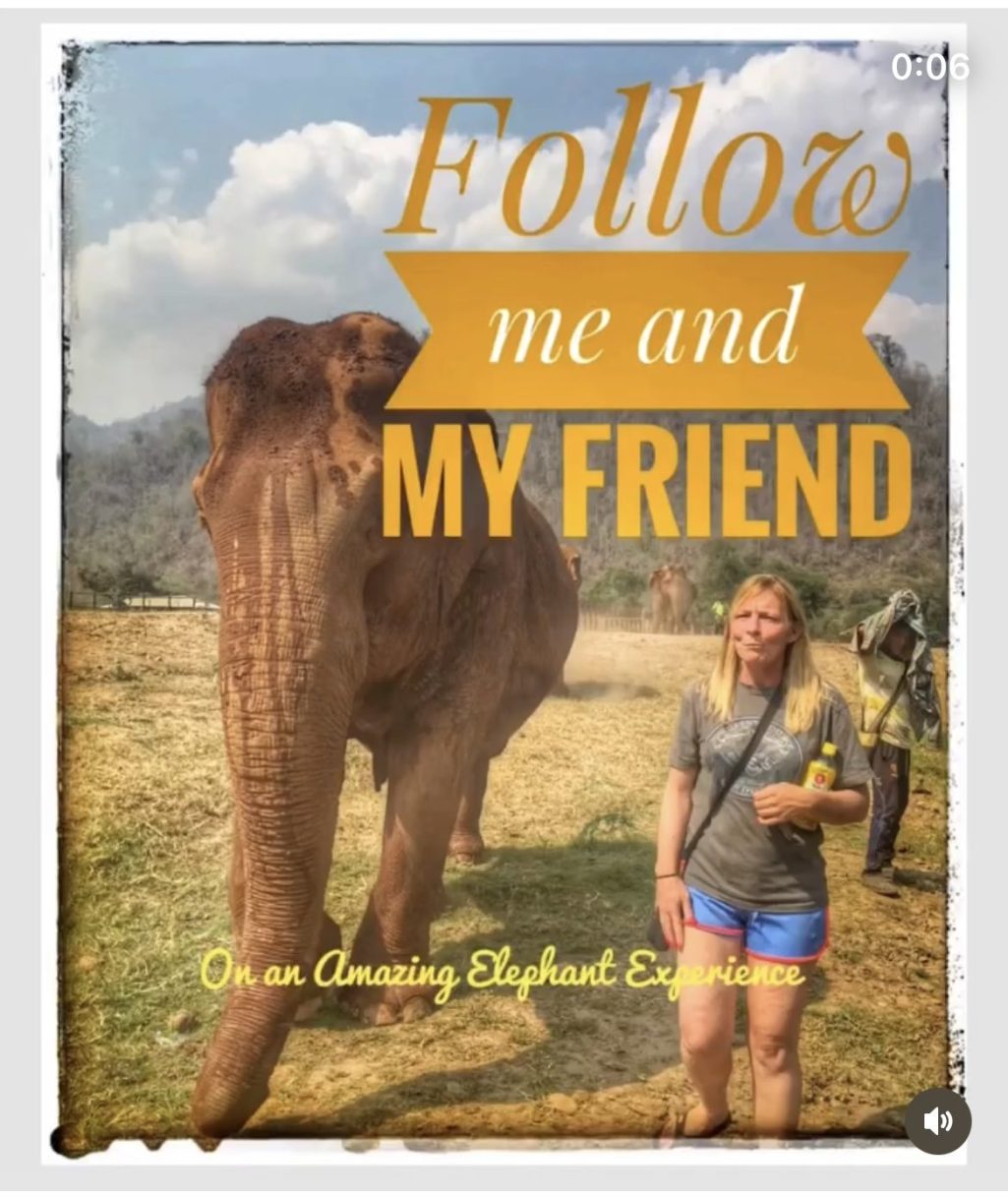
I found joy in the unlikeliest places: walking beside rescued elephants at the Elephant Nature Park, sharing unspoken kindness with strangers in temples I couldn’t pronounce, and floating in turquoise water where time didn’t matter. Just floating and watching that completely different living world, that was so invisible until you broke the surface of the water with your face, could you actually witness what was happening below the surface. I have found that life provides many opportunities if you just break through the surface and try things that can change your whole perspective.
On my birthday, I went to a silent meditation retreat in the mountains above Chiang Mai—seven full days without speaking. Somehow, in all that quiet, I heard myself again.
Now as the famous radio broadcaster, Paul Harvey would say, "and now, the rest of the story."
Why I Never Told Anyone
I hesitated to include this part. For a long time, I was afraid that telling the truth about what led me to Thailand would somehow betray the joy I’m trying to reclaim. That maybe it would make this story feel too heavy for a page about healing.
But the truth is, joy didn’t come to me because everything was fine. It came to me because my soul was aching for relief. For light. For freedom.
I had just come out of a four-year nightmare of an extremely toxic relationship—one I couldn’t figure out how to escape. This was where I first heard and learned what term gaslighting meant and how I now had a name for what had been happening to me for years. He had moved into my little ranch house. Then his son moved in shortly afterwards. Then the other son and his girlfriend and their kids and animals. My home was no longer my own. I was gone for all but 3-4 days a month as an Over the Road Truck Driver. I was paying all the bills. Heating the house. Trying to hold everything together while quietly unraveling.
I was prepared to walk away from everything: the house, the gardens, the bees, my job. And worst of all—my beloved old dog, Rolo.
One freezing morning, March 6, 2017, I came home to find Rolo—17 years old—left outside on the 2” thick ice filled patio pavement while everyone else’s children and animals were inside, warm. I rushed him to the Dumb Friends League in Denver, where I always took Rolo to get check-ups and vaccinations. They told me his organs were shutting down from cold exposure. I had to put him down. Alone. Because no one else cared. That day broke something deep inside me.
And then the following day—I found a round-trip flight from Boston to Bangkok for $658, leaving in 13 days.
I was already planning to visit my family back east. Suddenly, it was like the universe cracked open and said, “Go.” Not softly, but forcefully.
I didn’t book that flight because I was brave. I booked it because I couldn’t breathe anymore.
It wasn’t a vacation. It was an act of self-rescue. A solo female lifeline.
I needed something—anything—to carry me out of the wreckage and into something… else.
The man I was leaving didn’t even know I was leaving. He thought I was just going away for a week. He had no idea I was leaving the state—let alone the country. And I didn’t correct him. I couldn’t. Saying the truth out loud felt dangerous. He left for 4 days to go to work. I packed.
I couldn’t risk it. And I couldn’t tell anyone around me—not even the people I thought were friends.
He wasn’t going to let me go. And the truth is, I didn’t feel strong enough to stand up to him. Not yet. I was afraid that if he knew what I was doing, he’d show up, convince me to stay, or break me down the way he always had.
So I stayed silent. No posts. No goodbyes. I deleted every contact I had with him. Blocked him in every way I could think of. And just… disappeared.
Some people I confided in didn’t believe me. They said I was being dramatic. That there was no way he could be who I said he was. They liked him. Thought he was funny, even charming. But that was the version he showed the world—not the one I lived with behind closed doors.
Still unlearning the shame. Still fighting to trust my own voice again.
I thought that by saying nothing, I was making a clean break. But the silence I used to protect myself became something else too—a barrier between me and the people who didn’t believe.
And even after I left, even after I left the country to the other side of the world for a month, he kept searching for me. For four years, he tried to find me online. Tried to contact me. Tried to pull me back. Even using strangers to befriend me and try and get me to reconnect with him.
He was bat-shit crazy. Period. I never responded to any calls or texts and immediately blocked any phone number.
That’s what made reclaiming joy so complicated.
Because even when I was gone, I was still learning how to feel safe.
Even when I was free, I wasn’t sure I was safe.
And even when I was safe, I still didn’t feel free.
As I drove those 2,000 miles across the country—alone, exhausted, and aching—I whispered the same quiet prayer over and over again, one I had read in a book,
Seat of the Soul by Gary Zukav:
“God, please bring me to where You know I need to be.”
I didn’t have a plan. I just had that prayer—and a spark of trust.
• • The Quiet Escape
Planning that trip became its own kind of medicine. I’ve always had this quiet habit of researching travel destinations—especially when my life feels chaotic. Just dreaming about a different place, even if I never went, used to bring me peace. But this time, the dream became real. And it saved me.
I knew I wanted to do something meaningful while I was in Thailand—something that would help me heal, even if I didn’t know what healing would look like. I thought maybe I could find a retreat or a place to ground myself, but everything I came across was either fully booked or completely out of reach financially. Eventually, I gave up searching and told myself maybe this would just be a trip to rest, not to transform.
But something in me whispered not to give up. I tried one more time. Just one more search. And there it was—a listing I hadn’t seen before. A 7-day silent meditation retreat in the mountains above Chiang Mai. It was free. But it came with conditions: no phones, no outside communication, no leaving early. Crying wasn’t permitted, and they warned me that people often became physically ill during the process.
I had never meditated a day in my life.
Still, I knew—I needed this. I needed silence. I needed space. I needed a container strong enough to hold the grief, shame, and gaslighting I had carried for years. I had to apply and go through three interviews with them, all while driving back east toward Boston. Each time, I had to explain my motivation. Why I, a total beginner, was asking for this final spot.
They told me it would be hard. That it wouldn’t feel like a vacation. That I wouldn’t be able to leave if it got uncomfortable. But I told them the truth: I didn’t need it to be easy. I needed it to be real. I needed to sit with myself—without distractions, without noise, without escape.
After the third interview, they gave me the last spot.
When I told my family, they looked at me like I’d lost my mind. “Why would you put yourself through that?” they said. “That doesn’t sound like a good time.” And once again, I faced that same cold wall of dismissal. I had just gone through a complete emotional upheaval—and they had no space for it. But this time, it didn’t shake me.
Because deep down, I knew: I wasn’t doing this for anyone else. I was doing it for the version of myself I hadn’t met yet—the one who still believed joy was possible for me.
The Journey North
I didn’t know what I expected when I boarded the plane to Bangkok. I was still exhausted. Still in pain. But I had left. I had done the unthinkable. And somehow, just that fact alone—that I had crossed an ocean—gave me a flicker of peace.
I spent four quiet days in Bangkok. I didn’t do much. Just walked, rested, observed. There was comfort in not being known. In not having to explain anything. Then I boarded an overnight train to Chiang Mai—an old sleeper car, soft light flickering through the windows as we rolled north through the night. The ticket cost $28.
I arrived in Chiang Mai five days before the retreat. That gave me time to explore a bit, to feel the land under my feet, to ease into the stillness that was waiting for me. And then, right on schedule, a woman in a car came to pick me up. She had been sent by the retreat organizers. I checked out of my accommodations, got in the car, and we left the city behind.
The road climbed slowly, twisting and narrowing until it turned to dirt. For over an hour we drove deeper and deeper into the hills—over potholes and steep slopes, through jungle mist and chirping forest. I didn’t know where I was going. But I trusted the road. And for the first time in a long time, I wasn’t afraid of where it might lead.
Inside the Retreat
I arrived at the retreat in the late afternoon. They had arranged for a taxi to pick me up, and the drive took nearly an hour and a half—winding through narrow, bumpy dirt roads that twisted up into the mountains beyond Chiang Mai. We climbed higher and higher, leaving the city behind, until we turned onto a narrow jungle path that finally stopped in front of the gates of the wat.
Across the road, there was land with elephants. At dusk, they would trumpet in the distance as the rainforest frogs began their nightly song. There were ponds scattered throughout the property, and something about the thick, damp air and the sounds of the wild reminded me that I was somewhere ancient—somewhere alive.
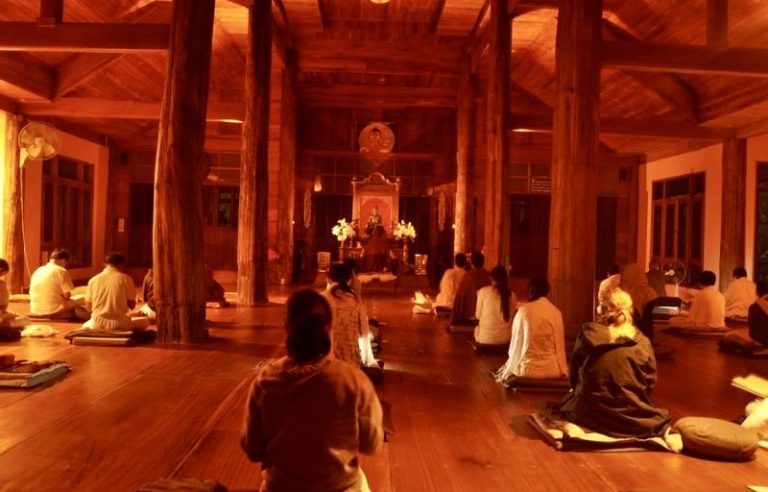
The accommodations were stark but sufficient: a 6’ x 8’ room with a single bed, a desk, and one wooden chair. They handed me a thin pillow and a blanket. The bathrooms were shared among everyone staying there—forty of us in total. I was the only American. There were three participants from Europe, one man from Korea, and the rest were Thai. Because it was a silent retreat, we didn’t speak to one another. But I noticed everything—the way others walked, the way they prayed, the way we all carried whatever we had come there to set down.
Every morning began at 4:30 AM with the sound of the gong. By 5:00, we were seated in the temple for our first meditation. Meals were strict: vegetarian with no meat, no dairy, no flour, no sugar. We had breakfast at 6:30 and lunch at 11—served buffet style and eaten in silence. After that, we ate nothing for the rest of the day. At 5 PM, we were allowed a warm drink—usually herbal tea. At 9:30 pm we went to bed to sleep.
The rhythm of the retreat was simple but relentless: sitting meditation, walking meditation, silence. There were no books, no phones, no distractions. And yet, somehow, I fell into it. My body adjusted. My mind quieted. My spirit began to stretch and breathe.
After seven days, one of the monks asked if I wanted to stay longer—to continue my practice there. I was surprised. I had expected to barely survive it, but something in me had softened. A couple of young Thai women, who had been watching me all week later told me they were amazed at how well I did, especially with no previous experience. Their names were Apple and Bee, and after the retreat ended, they offered me a ride back into Chiang Mai. I kept in touch with Apple for years afterward. She had seen something in me—something even I hadn’t fully seen yet.
That retreat didn’t fix everything. But it became the first place I truly sat with myself—not in fear, not in shame, but in stillness. And in that stillness, I found the faint outline of a future that could feel good again.
FINAL SECTION – Joy, Reclaimed
Somewhere in all that silence, something shifted.
I remembered the sound of my own breath.
I started hearing birds again.
I smiled—for no reason.
And it didn’t feel wrong.
It didn’t feel selfish.
It didn’t feel like betrayal.
It just felt… right.
This wasn’t joy because everything was better.
This was joy in spite of it all.
Joy that rose from the ashes of grief and said,
You’re still here. And that’s enough.
I didn’t find joy on a mountaintop.
I found it in the stillness.
In the surrender.
In the moment I let go of who I had been forced to be
and started becoming who I already was.
For a long time, I believed that if I smiled too soon or laughed too freely, it meant I wasn’t honoring the heartbreak I had lived through. That maybe joy meant I was forgetting.
Or worse pretending none of it ever happened.
But joy doesn’t erase pain.
It gives you breath.
It reminds you you’re still here.
And the truth is, the hardest part isn’t finding joy—
It’s allowing myself to feel it.
JOY
I danced in the streets during the Songkran water festival. I laughed with strangers. I played. I remembered what it felt like to feel light. And lying in the ocean, watching fish drift by, I relearned how to let go—not just of pain, but of pressure. That, too, was a kind of meditation.
Joy didn’t erase the pain. It didn’t undo the losses or make the heartbreak any less real. But it gave me breath. It reminded me that life isn’t just about surviving—it’s about feeling alive. And even in the middle of grief, we’re allowed to laugh. We’re allowed to feel the sun on our skin and say yes to something beautiful.
I used to think that finding joy too soon meant I wasn’t honoring the hurt—but I know now that’s not true. Joy is part of the healing. It’s not a betrayal of the past. It’s a return to the truth that we’re meant to be whole, and that life was never meant to be all suffering. I don’t want to carry heaviness forever. I want to fill my life with light, with laughter, with meaning.
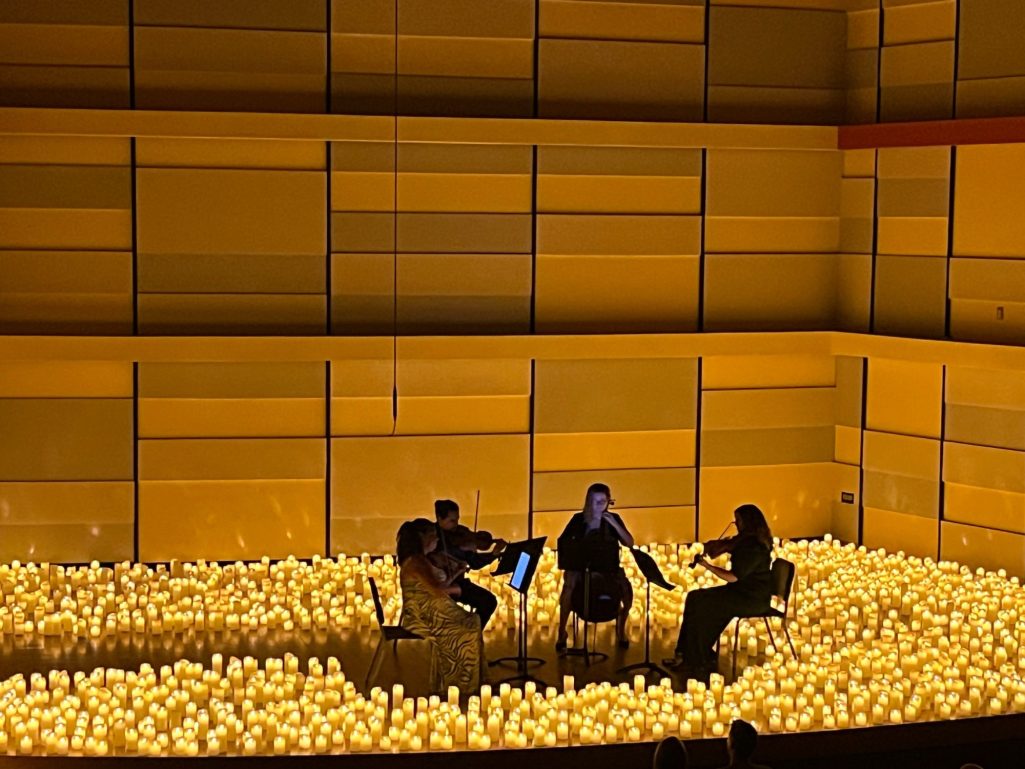
Joy looks different for everyone. For me, sometimes it’s the sound of birds in the early morning, dancing in my kitchen, or flipping through garden books at Barnes & Noble. Sometimes it’s salsa music in the park or the taste of something sweet after a long day. But always—joy is what helps me remember who I really am.
Joy looks different for everyone. For me, sometimes it’s the sound of birds in the early morning, dancing in my kitchen, or flipping through garden books at Barnes & Noble. Sometimes it’s salsa music in the park or the taste of something sweet after a long day.
Like the Chantilly Cream Vanilla Bean Mini Sheet Cake from Trader Joe’s—$5.49 of soft, buttery comfort topped with real vanilla buttercream frosting. It’s not about indulgence. It’s about allowing myself to mark the end of a hard stretch with something small and lovely. A kind of quiet celebration that says, “You made it.”
But always—joy is what helps me remember who I really am.
There’s a part of me that still wonders—is it okay to feel joy after everything I’ve been through?
What if people find out I’m doing better and try to tear it down?
What if I don’t really deserve to feel this peaceful, this proud, this light?
But here’s what I’ve learned:
Joy isn’t something you have to earn through suffering.
It’s not a prize for perfection.
It’s a birthright.
I’ve walked through fire. I’ve rebuilt after heartbreak and loss. I’ve faced things I never imagined I’d have to survive. And still—I want to feel joy. Not as an escape, but as a homecoming. Joy is what helps me breathe again. It’s what softens the weight of all the hard stuff.
Joy doesn’t erase the past.
It reminds you that you’re still here.
And you’re allowed to feel good again.
"Just because I’ve experienced joy doesn’t mean the pain never existed. It just means I’m choosing not to live in it anymore"—carries the weight of every step I've taken out of the darkness. It’s not just a quote. It’s a threshold crossed, and a lantern I now hold for others who may still be standing in the storm.
There’s a kind of invisible competition some people enter into around pain and suffering. As if whoever’s been through the “worst” gets the most validation or is somehow more deserving of empathy, attention, or even success. And when joy enters the conversation, especially if it’s yours, it can make them uncomfortable—because it challenges the identity they’ve built around pain.
But here’s the truth you’re uncovering:
Joy doesn’t invalidate pain—it transcends it.
It’s not denial. It’s not competition. It’s resilience.
I'm not pretending bad things didn’t happen. I am choosing to no longer live in them. That takes far more strength than clinging to pain does. And my willingness to claim joy, to let my"self feel good without apology, is part of what makes my voice so deeply healing.
I'm not in a contest. I'm building a life.
And the joy I'm reclaiming is sacred.
So if you’ve been holding your breath, waiting for permission—this is it.
You’re allowed to feel good again.